Facebook
 X
X
 Pinterest
 Copy Link
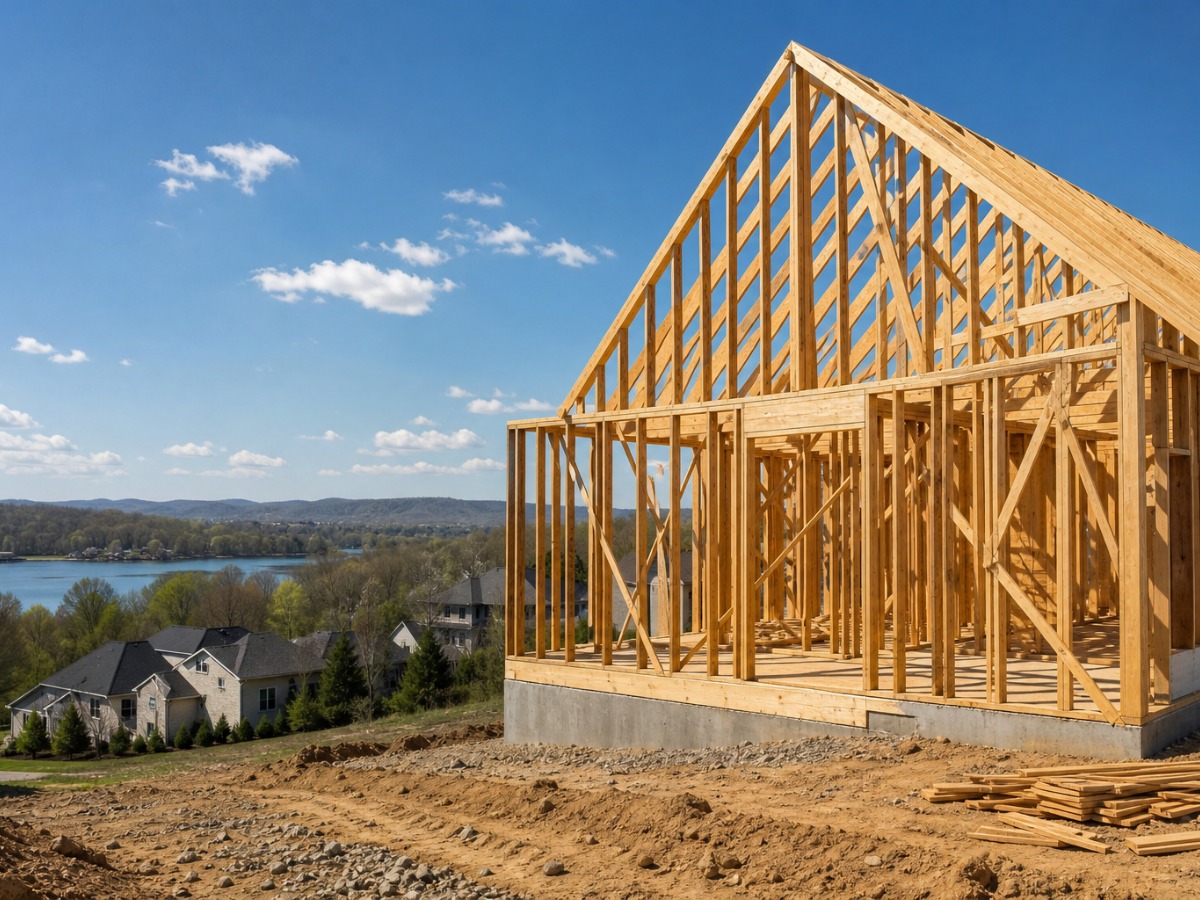
Farragut’s new developments offer buyers built-in amenities, walkable connectivity, and a town planning framework that requires open space in every residential project. Combined with interstate access and proximity to Knoxville and Oak Ridge, these neighborhoods deliver convenience that older subdivisions often can’t match.
Why are buyers choosing Farragut’s new developments?
Farragut’s new residential developments appeal to buyers because the town’s own planning code requires amenities, trails, pools, clubhouses, open space, to be part of every project by design. Combine that with interstate access, proximity to Knoxville and Oak Ridge, and a small-town population that keeps new construction supply genuinely limited, and you have a market where newer neighborhoods deliver real lifestyle value, not just square footage.
Key Takeaways
- Farragut’s residential development standards require developers to dedicate at least 10% of each project’s acreage to passive open space or recreational amenities such as walking trails, pools, tennis courts, and clubhouses.
- Farragut’s certified 2025 population was 23,506, a small town inside Knox County’s 511,453-person market, which means new construction here is genuinely limited-supply product, not broad suburban sprawl.
- A September 2026 report confirmed roughly 8 acres near Concord Park had been cleared for a possible mixed-use development that could include up to 132 residential units plus retail, signaling continued active growth in the town.
- The town’s planning framework explicitly prioritizes connectivity, street grids, trails, and walkable access between activity centers, so newer neighborhoods are built with movement in mind, not just lot coverage.
- Farragut sits at the intersection of interstate access, TVA waterway recreation, and proximity to major employers in Knoxville and Oak Ridge, which is the core reason buyer demand in newer Farragut communities stays strong.
What does Farragut’s planning code actually require from new developments?
This is the part most buyers don’t know, and it’s worth knowing before you compare Farragut to any other suburb.
The Town of Farragut’s residential development standards require that developers set aside at least 10% of each project’s total acreage as passive open space or recreational amenities. That means walking trails, swimming pools, tennis courts, and clubhouses aren’t marketing extras in Farragut’s newer neighborhoods, they’re built into the approval process before a single lot is sold.
The town’s planning and zoning staff evaluates every development against zoning, subdivision regulations, and the applicable municipal code. That review process is what gives Farragut’s newer communities a level of design consistency you don’t always find in unincorporated parts of Knox County.
Beyond the amenity requirement, the town’s planning documents emphasize connectivity as a core principle. According to Farragut’s long-range planning materials, the town is designed around “convenient living,” “multiple activity centers,” and “outstanding recreational opportunities”, which means newer subdivisions are laid out with walkable and bikeable connections between destinations, not just cul-de-sacs.
For buyers, this translates to something concrete: when you buy in a newer Farragut community, you’re buying into a neighborhood that was required to think about how you live in it, not just how many lots could fit on the land.
I walk every buyer I work with through what the specific community’s amenity package actually looks like day-to-day. A clubhouse on a plat map and a clubhouse you’ll actually use are two different things, and that’s worth talking through before you make an offer. You can also read more about what’s actively coming to market in my post on Farragut TN New Developments: What Buyers Should Know.
Why is Farragut still attracting buyers in 2026?
A small town inside a large, growing county
Farragut’s certified 2025 population was 23,506, according to the Tennessee State Data Center’s ECD-certified population report. That’s a small, established town sitting inside Knox County’s 511,453-person market (Federal Reserve Bank of St. Louis, U.S. Census Bureau estimates). The gap matters: Farragut’s incorporated boundaries are relatively fixed, which keeps new residential supply genuinely limited even as regional demand grows.
That dynamic is part of why new construction in Farragut tends to move quickly. Buyers aren’t choosing between hundreds of identical subdivisions, they’re competing for a limited number of projects that meet Farragut’s own design and amenity standards.
Location that connects you to everything
Farragut’s comprehensive land use plan highlights interstate highway access, proximity to Knoxville and Oak Ridge, and access to parks, the TVA waterway, and a town-wide pathway system as the foundation of the town’s appeal. For buyers, that means a newer Farragut home gives you a short commute to major employers, walkable or bikeable access to green space, and Turkey Creek retail within a few minutes, without giving up a neighborhood feel.
The broader growth picture matters here too. As I covered in my post on UT growth and what Knoxville home buyers should know, the regional employment and population trends that are driving Knox County’s housing demand don’t stop at Knoxville’s city limits. Farragut sits directly in the path of that growth, and newer communities there are absorbing a lot of the buyer interest that might otherwise push further west.
Active development pipeline
Growth isn’t slowing down. A September 15, 2026 Knoxville News Sentinel report confirmed that roughly 8 acres near Concord Park had been cleared for a possible mixed-use development that could include up to 132 residential units plus retail and parking. That kind of project, walkable, mixed-use, close to an established park, reflects exactly the “multiple activity centers” and connectivity principles Farragut’s planning framework is built around.
Whether that specific project fits your needs depends on timing, product type, and your own priorities. But it’s a signal that the town’s growth is continuing in a direction that tends to benefit buyers who get in early.
| Farragut Development Feature | What It Means for Buyers |
|---|---|
| 10% open space/amenity requirement per project | Trails, pools, and clubhouses are required by code, not optional add-ons |
| Town-enforced connectivity standards | Newer neighborhoods are designed for walkable and bikeable access between destinations |
| Interstate access and TVA waterway proximity | Short commutes to Knoxville and Oak Ridge; recreation without a long drive |
| Certified 2025 population of 23,506 | Small incorporated town = limited new supply inside a large, high-demand county |
| Active mixed-use pipeline near Concord Park (2026) | Continued investment in walkable, amenity-rich development formats |
Real estate is local, and what’s true for Farragut as a whole may not be what’s true for a specific community or lot within it. The only way to know whether a particular new development fits your situation is to look at the details: what’s included, what the HOA covers, how the project is phased, and how it compares to resale options at the same price point. That’s exactly the kind of analysis I do with buyers before they commit to anything.
If you’re weighing new construction against existing homes in Farragut, this breakdown of what buyers should know about Farragut’s current projects is a good place to start, then let’s talk through your specific situation.
I’d rather have that conversation six months before you’re ready than two weeks after you’ve already signed a contract with a builder. Reach out here and we’ll figure out whether Farragut new construction is the right move for you.
If you’d like to see what other clients have experienced working with me, you’re welcome to read my reviews on Google or Zillow.
Frequently Asked Questions
What new developments are coming to Farragut, TN?
Active development is continuing in Farragut heading into late 2026. A September 2026 report from the Knoxville News Sentinel confirmed that roughly 8 acres near Concord Park had been cleared for a possible mixed-use project that could include up to 132 residential units plus retail. The town’s planning and zoning process shapes which projects move forward, so the pipeline can shift, talking with a local agent who tracks these projects closely is the most reliable way to stay current.
What amenities do newer Farragut neighborhoods usually include?
Farragut’s residential development standards require developers to set aside at least 10% of each project’s acreage for open space or recreational amenities, which means walking trails, pools, tennis courts, and clubhouses are common in newer communities. The specific package varies by project and HOA structure, so it’s worth reviewing what’s included and what’s maintained by the association before you buy.
Why are buyers moving to Farragut instead of West Knoxville?
Farragut is an incorporated town with its own planning standards, which gives newer developments there a level of design consistency and amenity requirements that unincorporated West Knoxville doesn’t mandate. Farragut also has direct interstate access, proximity to Turkey Creek retail, and a town-wide pathway system that adds walkability most suburban corridors lack. For buyers who want a neighborhood feel with convenient access to Knoxville and Oak Ridge, Farragut’s newer communities often check more boxes than comparable price points further out.
What zoning rules shape new development in Farragut?
The Town of Farragut’s planning staff evaluates all development activity against the town’s zoning code, subdivision regulations, and municipal code. The residential development framework specifically requires open space and amenity set-asides, and the town’s long-range planning documents emphasize connectivity between activity centers as a guiding principle. You can review the framework directly on the Town of Farragut’s planning and zoning page.
Is Farragut still a good place to buy a home in 2026?
Farragut remains a high-demand corridor in Knox County, with a certified 2025 population of 23,506 inside a county of over 511,000 residents, meaning the town’s supply of new and resale homes is limited relative to regional demand. Active development near Concord Park and the town’s continued commitment to amenity-rich, connected neighborhoods signal that buyer interest isn’t going away. Whether it’s the right fit for your situation depends on your budget, timeline, and priorities, and that’s a conversation worth having with a local agent before you start touring.
Equal Housing Opportunity. Caroline Badgett is an Affiliate Broker with Wallace Real Estate, licensed through the Tennessee Real Estate Commission (TREC). This article is general information only and is not legal, tax, or financial advice. Confirm your own numbers and circumstances with your title company, tax advisor, or lender.