Facebook
 X
 Pinterest
 Copy Link
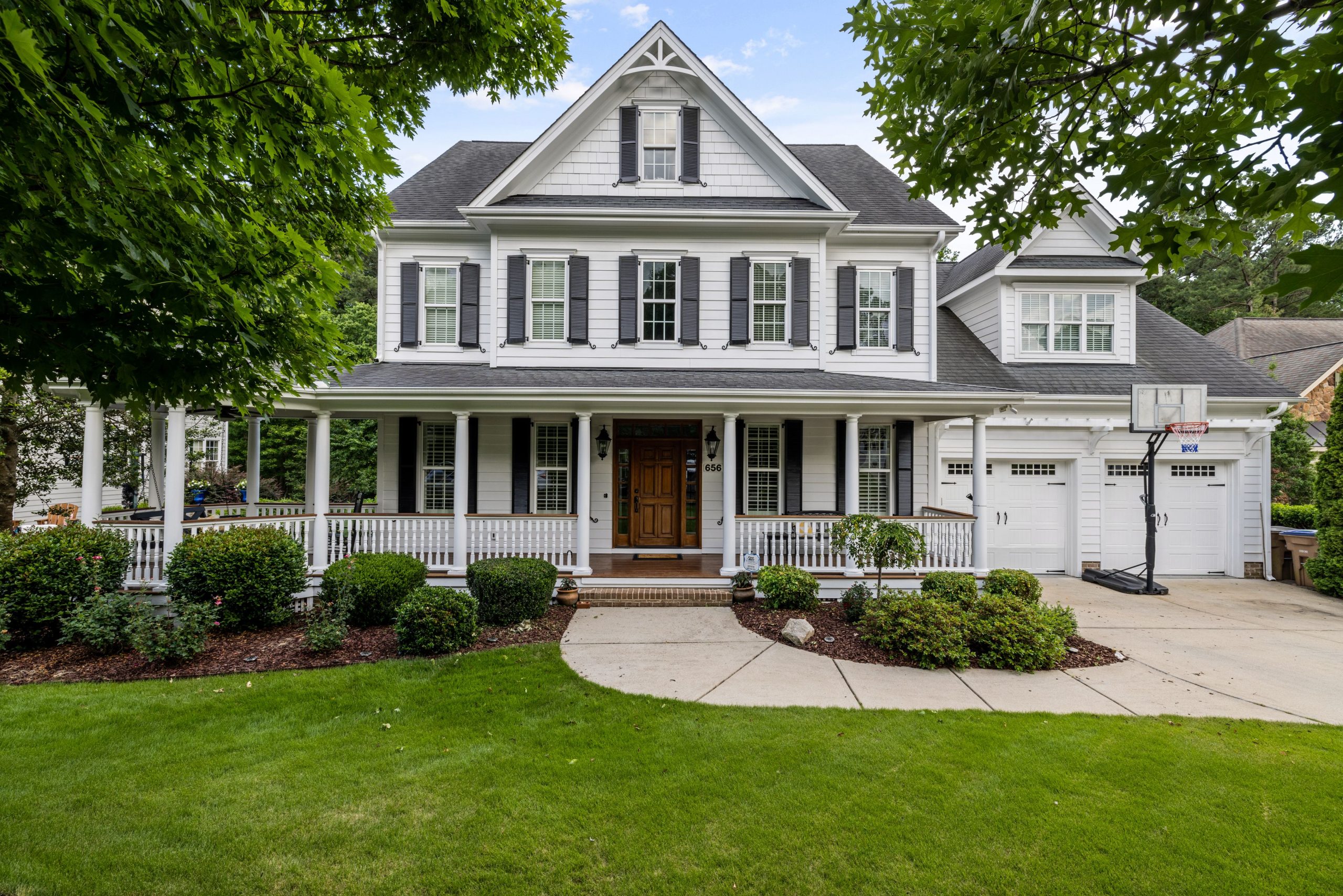
Knoxville-area buyers pay property taxes based on 25% of a home’s appraised value, multiplied by county and city rates. Knox County, Roane County, and city-specific rates vary enough to shift a monthly payment by $100 or more, knowing your parcel’s exact jurisdiction before you offer matters.
What do buyers actually pay in property taxes in the Knoxville area?
Knoxville-area property taxes are calculated by applying Tennessee’s 25% residential assessment ratio to a home’s appraised value, then multiplying the resulting assessed value by the combined county and city tax rates for that specific parcel. Any honest Roane Counties Compared analysis has to start here, because the formula is identical across all five counties, what changes is the rate. For a $400,000 home inside Knoxville city limits, the 2026–27 city rate alone adds roughly $2,156 per year on top of the Knox County rate. Buyers comparing homes across Knox, Roane, Anderson, Blount, and Loudon counties, or comparing city versus unincorporated locations, can see annual tax differences of several hundred dollars or more on similarly priced homes.
Key Takeaways
- Tennessee assesses residential property at 25% of appraised value, a $400,000 home has a $100,000 assessed value before any rate is applied.
- The City of Knoxville’s 2026–27 property-tax rate is $2.1556 per $100 of assessed value, meaning a $400,000 home inside city limits carries a city-tax component of approximately $2,156 per year.
- Roane County’s 2026 rural rate is $1.4987 per $100 of assessed value, producing roughly $1,499 annually in county tax on a $400,000 home outside an incorporated city.
- Homes inside a municipality pay both a county rate and a city rate, the city component can add hundreds of dollars annually, so the parcel’s exact jurisdiction matters before you write an offer.
- Tennessee does not automatically reassess a property when it sells, but the county assessor can update appraised values on a regular reappraisal cycle, always check the current assessed value on the county assessor’s record for the specific parcel.
How does Tennessee’s property-tax formula actually work?
The formula is simpler than most buyers expect, but the jurisdiction details are where it gets nuanced. Here is the official framework from the Tennessee Department of Revenue:
Step 1: Appraised value × 25% = Assessed value. Tennessee law sets the residential assessment ratio at 25%, which is meaningfully lower than many other states. A $400,000 home has a $100,000 assessed value. A $300,000 home has a $75,000 assessed value.
Step 2: Assessed value ÷ 100 × tax rate = Annual tax. Rates are expressed per $100 of assessed value. So a county rate of $1.50 applied to $100,000 of assessed value produces $1,500 in annual county tax.
Step 3: Add any applicable city rate. If the parcel sits inside an incorporated city, the city levies its own rate on top of the county rate. The two rates are applied to the same assessed value and added together. A home outside any city pays only the county rate.
That third step is the one buyers most often overlook. Two homes at the same price, one inside Knoxville and one in unincorporated Knox County, carry very different tax bills. Understanding what a Realtor actually does in Knoxville’s market includes helping you catch exactly this kind of detail before you make an offer.
When I’m working with buyers comparing homes across different parts of the Knoxville area, say, a home in Farragut versus one in Rockwood, I pull the parcel record for each property so we’re comparing apples to apples on the real carrying cost, not just the list price. Real estate is local, and what applies in one tax district may not apply in the next.
Where does the Roane Counties Compared question come up most often?
Buyers weighing homes in western Knox County against options in Roane County raise this comparison regularly, and for good reason, prices can be lower in Roane County and the tax structure is different. The Roane County Assessor of Property publishes both the rural county rate and the municipal rates for each city within the county, so the math is straightforward once you know which district the parcel falls in.
What are the verified 2026 rates for Knox, Roane, and Knoxville?
Here are the rates I can confirm from official 2026 sources, with the calculation applied to a $400,000 home as a reference point. The $400,000 figure is used only because it sits near the middle of the Knoxville-area market, your actual tax bill depends on your specific home’s appraised value and tax district.
For any Roane Counties Compared analysis, the table below shows the verified 2026 figures alongside the Knoxville city rate. Anderson, Blount, and Loudon county rates are not included here because no sufficiently current official 2026 source was available at the time this post was written, for those counties, the Tennessee Comptroller’s property-tax rate page is the right place to pull current figures before you run your own numbers.
| Jurisdiction | 2026 Rate (per $100 assessed value) | Est. Annual Tax on $400K Home | Est. Monthly Escrow (÷12) |
|---|---|---|---|
| Roane County (rural, unincorporated) | $1.4987 | ~$1,499 | ~$125 |
| Roane County + Harriman city rate ($0.7024) | $1.4987 + $0.7024 | ~$2,202 | ~$184 |
| Roane County + Kingston city rate ($0.8234) | $1.4987 + $0.8234 | ~$2,322 | ~$194 |
| Roane County + Oak Ridge city rate ($1.3784) | $1.4987 + $1.3784 | ~$2,878 | ~$240 |
| City of Knoxville (city rate only) | $2.1556 | ~$2,156 | ~$180 |
A few important notes on reading this table:
- The Knoxville city rate shown is for the 2026–27 fiscal year, per the City of Knoxville’s adopted budget. The Knox County rate is not included in that figure, a home inside Knoxville city limits pays both the city rate and the Knox County rate.
- The Roane County figures are 2026 rates from the Roane County Assessor. The assessor page lists a county rate and separate municipal rates, verify which county component applies to your specific parcel’s municipality before combining them.
- Monthly escrow figures are annual tax divided by 12. Your lender’s actual escrow payment may differ based on collection timing, cushion requirements, or future rate changes, treat these as estimates.
- All estimates assume a $400,000 appraised value with no exemptions. The City of Knoxville’s property-tax page confirms the 25% residential assessment ratio.
For Anderson, Blount, and Loudon counties, I’d point you directly to the Tennessee Comptroller’s rate resource and each county’s assessor office to pull current figures. Publishing older numbers as if they were 2026 rates would give you a false sense of certainty, and that’s not how I work with my clients.
How do Anderson, Blount, and Loudon fit into the picture?
Buyers comparing homes in Maryville (Blount County), Lenoir City (Loudon County), or Clinton (Anderson County) should run the same formula once they have the current official rates. The Tennessee formula is identical across all 95 counties, 25% assessment ratio, rate per $100, county plus any city rate. The variable is only the rate itself. Pull the current figures from the Comptroller’s page or the county assessor directly, apply them to the home’s appraised value, and you’ll have a reliable estimate. If you’re working with me on a home in any of those counties, I’ll pull the parcel record and run the numbers with you before we write an offer.
If you’re also weighing neighborhoods specifically in western Knox County, the post on West Knoxville neighborhoods worth knowing in 2026 covers the communities I work in most frequently out that way.
What buyers should do before they write an offer
The table above gives you a framework, but the only number that matters is the one tied to the specific parcel you’re buying. Here is what I walk every buyer through:
- Look up the parcel on the county assessor’s website. Every Knoxville-area county assessor maintains a public search tool. The record will show the current appraised value, the tax district, and in most cases the most recent tax bill. That is your starting point, not the list price, not an online estimate.
- Confirm the tax district. Is the parcel inside a city limit? Which one? The same street can straddle a city boundary, and the tax difference can be significant. This is especially relevant in areas like Oak Ridge (which spans both Anderson and Roane counties) or communities near Farragut’s boundaries.
- Check for existing exemptions. A current owner may have a homestead exemption or a senior/disabled exemption that reduces their bill. Those exemptions do not automatically transfer to you as the buyer, your tax bill may be higher than the seller’s current bill even if the appraised value stays the same.
- Factor it into your monthly payment estimate. Divide the annual estimate by 12 and add it to your principal, interest, and insurance. Your lender will escrow property taxes if you’re financing, so this is a real line item in your monthly payment, not a once-a-year surprise.
- Verify with your lender. Lenders calculate escrow based on the tax bill for the property, if the appraised value has recently changed or the parcel is newly subdivided, the escrow estimate may need to be adjusted. Confirm the numbers with your lender before closing.
Your specific number depends on your home’s appraised value, its exact tax district, and any applicable exemptions, that’s exactly the kind of detail worth working through before you make an offer, not after.
If you’d like to see how this plays out for a specific home you’re considering, I’m happy to pull the parcel record and walk through the math with you. You don’t need to be under contract to have that conversation.
If you’ve worked with me before or want a sense of what clients say, you can read my reviews on Google or Zillow.
Frequently Asked Questions
How are property taxes calculated on a home in Knox County, Tennessee?
Knox County property taxes are calculated by multiplying the home’s appraised value by 25% to get the assessed value, then applying the county rate (and any applicable city rate) per $100 of assessed value. The Tennessee Department of Revenue sets the 25% residential assessment ratio statewide, Knox County applies its own rate to that assessed value. A home inside Knoxville city limits also pays the city rate on top of the county rate.
What is the difference between county and city property taxes in Knoxville?
County and city property taxes are separate levies applied to the same assessed value, if your home is inside Knoxville city limits, you pay both the Knox County rate and the City of Knoxville rate. The City of Knoxville’s 2026–27 rate is $2.1556 per $100 of assessed value, per the city’s adopted budget. A home in unincorporated Knox County pays only the county rate, which produces a lower combined bill at the same appraised value.
What property-tax rate applies to a home in Roane County?
Roane County’s 2026 rural rate for unincorporated areas is $1.4987 per $100 of assessed value, according to the Roane County Assessor. Homes inside a Roane County municipality add that city’s rate on top, Oak Ridge adds $1.3784, Kingston adds $0.8234, Harriman adds $0.7024, and Rockwood adds $0.6265. Confirm the applicable county component for your specific municipality with the assessor before combining the figures.
How much would property taxes be on a $300,000 or $400,000 home in the Knoxville area?
On a $300,000 home, the assessed value is $75,000 (25% of appraised value). On a $400,000 home, it’s $100,000. Multiply the assessed value by the combined county-plus-city rate per $100 to get the annual estimate, for example, a $400,000 home in unincorporated Roane County at the 2026 rate of $1.4987 produces roughly $1,499 per year in county tax. The exact amount depends on the parcel’s appraised value and tax district, so pull the county assessor record for the specific property before finalizing your numbers.
Do Tennessee property taxes go up automatically when a home sells?
No, Tennessee does not trigger a reassessment simply because a property changes hands. The county assessor updates appraised values on a regular reappraisal cycle (typically every four to six years, though the schedule varies by county), not at the point of sale. That said, if the assessor’s current appraised value is significantly below the sale price, a future reappraisal cycle could bring the assessed value closer to market value. Always check the parcel’s current assessed value with the county assessor rather than assuming the seller’s current tax bill will be yours.
Are property taxes normally included in a buyer’s monthly mortgage payment?
Yes, for most financed purchases, lenders typically collect property taxes through an escrow account and pay the county on your behalf. The monthly escrow amount is based on the estimated annual tax bill divided by 12, though lenders may also require a cushion. Confirm the escrow estimate with your lender once you have the parcel’s current assessed value and applicable tax rates, since those figures drive the calculation.
Ready to run the real numbers on a home you’re considering? Let’s talk about your next move.
This post is general information only and is not legal, tax, or financial advice. Tax rates and assessed values change, confirm current figures for your specific parcel with the applicable county assessor, your title company, tax advisor, or lender before closing. Caroline Badgett, Affiliate Broker with Wallace Real Estate, licensed through the Tennessee Real Estate Commission (TREC). Equal Housing Opportunity.